
Let’s just say it straight. Tooth pain doesn’t care about your schedule. It shows up on a Sunday night. Or right before a meeting. Or when you’re about to leave town. That’s where emergency dentistry steps in, and yeah, it matters more than most people think.
A lot of folks try to “sleep it off.” They pop some ibuprofen and hope tomorrow feels better. Sometimes it does. Often it doesn’t. Because if the root is infected, or a tooth is cracked, or there’s swelling starting, that’s not something that fixes itself. It usually gets louder. More painful. More expensive.
Emergency dental care isn’t dramatic. It’s practical. It’s about stopping a bad situation from becoming a disaster.
What Actually Counts as a Dental Emergency?
Not every little twinge is a crisis. But some things absolutely are.
A knocked-out tooth? That’s an emergency. A broken crown exposing sensitive tissue? Yep. Swelling in your gums or face, especially with fever? Don’t wait. Severe toothache that keeps you up at night? That’s your body telling you something’s wrong.
Emergency dentistry covers more than just trauma. Infections, abscesses, cracked teeth, lost fillings, bleeding that won’t stop — these are common calls in real dental offices. And the sooner you’re seen, the better your odds of saving the tooth.
People sometimes feel silly calling a dentist after hours. Don’t. That’s literally part of the job.
Why Waiting Makes It Worse (And More Expensive)
Here’s the part nobody likes hearing. Delaying treatment almost always makes things worse.
A small cavity that could’ve been handled with a simple filling turns into a root canal. A minor crack becomes a split tooth that needs extraction. An untreated infection can spread. And yeah, that can get serious.
Emergency dentistry exists to stop the domino effect. It’s about controlling pain, removing infection, stabilizing damage. Quick intervention saves teeth. It saves money too, even if it doesn’t feel like it in the moment.
And from a broader family dentistry perspective, it protects long-term oral health. You can’t build a healthy smile on untreated emergencies.

The Role of Family Dentistry in Emergencies
Here’s something people don’t always realize. Family dentistry plays a huge role in emergency care.
When you already have a family dentist, someone who knows your history, your X-rays, your dental habits, emergencies get handled faster and smarter. They know if you grind your teeth. They know about that old crown from ten years ago. They’ve seen your kids since they were toddlers.
That continuity matters.
Emergency dentistry isn’t separate from regular dental services. It’s part of the same system. A good family dentistry practice prepares for urgent situations, keeps time open in the schedule, and has protocols in place. It’s not chaos. It’s organized readiness.
And honestly, that familiarity makes a stressful situation feel less scary.
Kids, Sports, and Late-Night Accidents
If you’ve got kids, you already know. Accidents happen fast. One second they’re running. The next, someone’s crying and holding their mouth.
Chipped teeth from sports. Falls off bikes. Biting into something they probably shouldn’t have. These are classic emergency dentistry scenarios. And when it’s your child, the stress doubles.
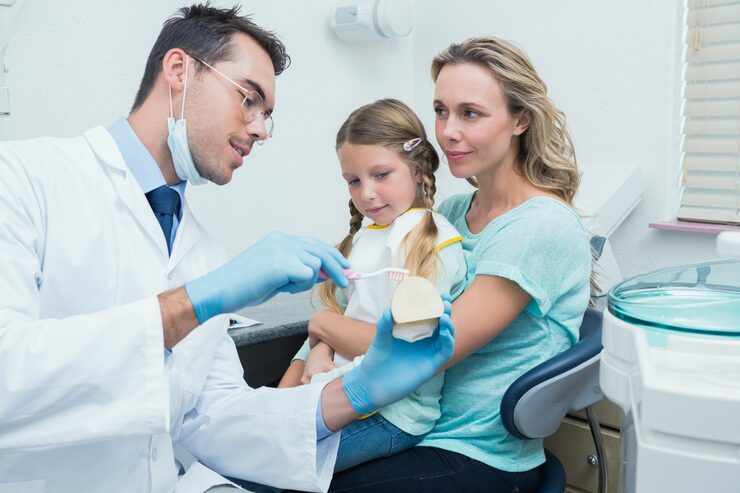
Family dentistry really shows its value here. A dentist who treats both adults and kids understands how to calm everyone down. They’ll explain what’s happening in simple terms. They’ll move quickly but not rush.
Sometimes the tooth can be saved. Sometimes it needs repair. Either way, acting quickly makes a massive difference.
What Happens During an Emergency Dental Visit?
People imagine flashing lights and chaos. It’s not like that.
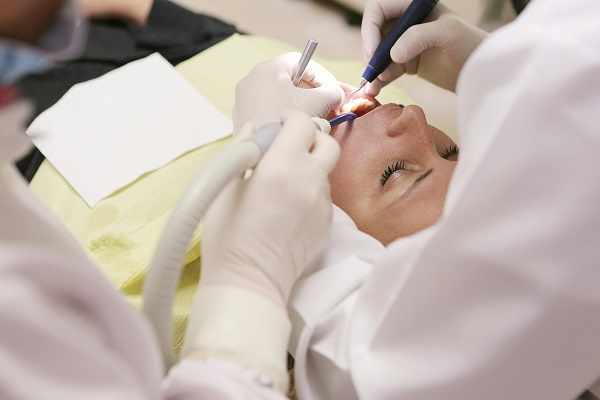
An emergency dental appointment usually starts with pain control. That’s step one. Then the dentist identifies the problem. X-rays if needed. A clinical exam. Gentle, but thorough.
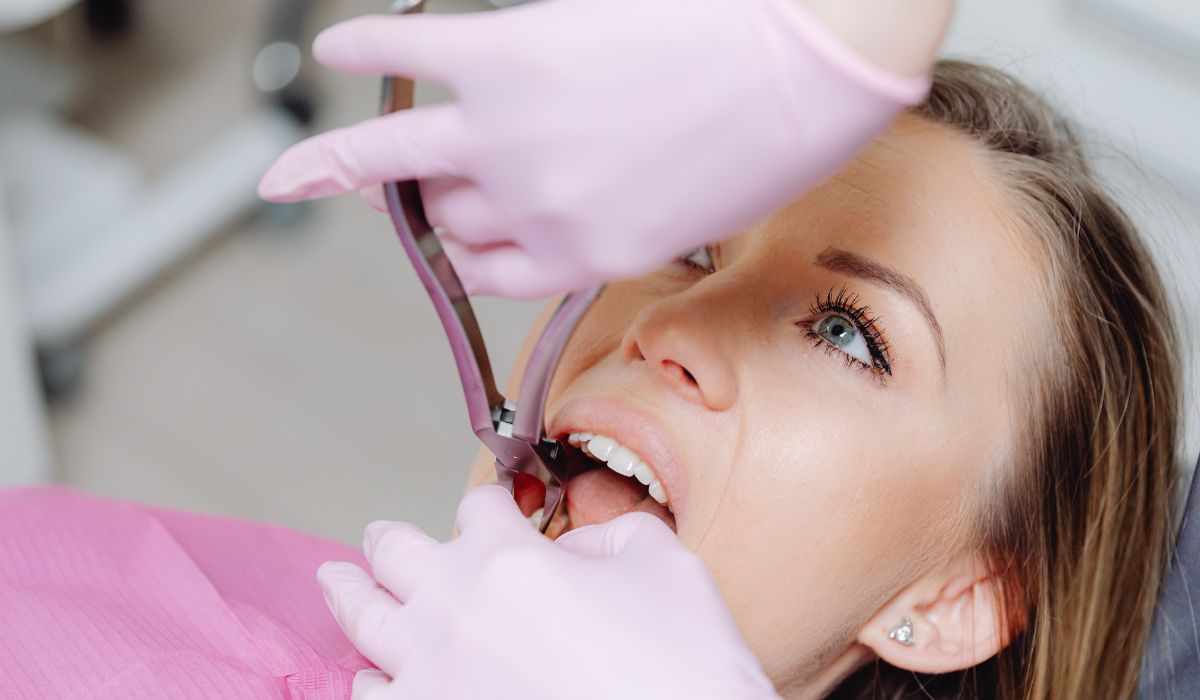
From there, treatment depends on the issue. It could be draining an abscess, placing a temporary crown, repairing a fractured tooth, starting a root canal, or extracting something that can’t be saved.
Emergency dentistry focuses on stabilizing the situation. Sometimes it’s a full fix right away. Other times it’s a temporary solution until a follow-up visit.
The goal is simple. Stop pain. Stop infection. Protect the rest of your oral health.

Preventing Dental Emergencies Before They Start
Here’s the honest truth. Some emergencies are unavoidable. Accidents happen. Life is messy.
But many dental crises grow slowly. Skipping cleanings. Ignoring minor sensitivity. Avoiding routine dental care because “it’s fine.” That’s how small issues turn into late-night emergencies.
This is where family dentistry quietly does its best work. Regular checkups catch problems early. Preventive dental services like cleanings, sealants, night guards — they reduce risk. A dentist who sees you consistently can spot patterns and warn you before things spiral.
Emergency dentistry is crucial. But prevention? That’s the real hero, even if it’s less dramatic.
Choosing the Right Emergency Dentistry Provider
Not all dental offices handle emergencies the same way. Some squeeze you in. Others refer you elsewhere. Some offer after-hours support. Some don’t.
When choosing a dentist, ask about their emergency dentistry approach. Do they offer same-day appointments? Do they have on-call support? How do they handle severe pain cases?
If you’re already part of a solid family dentistry practice, you’re ahead. There’s trust built in. Records on file. A relationship that matters when things get stressful.
Dental emergencies are unpredictable. Your response shouldn’t be.



Write a comment ...